dream 014 - ezekiel’s world
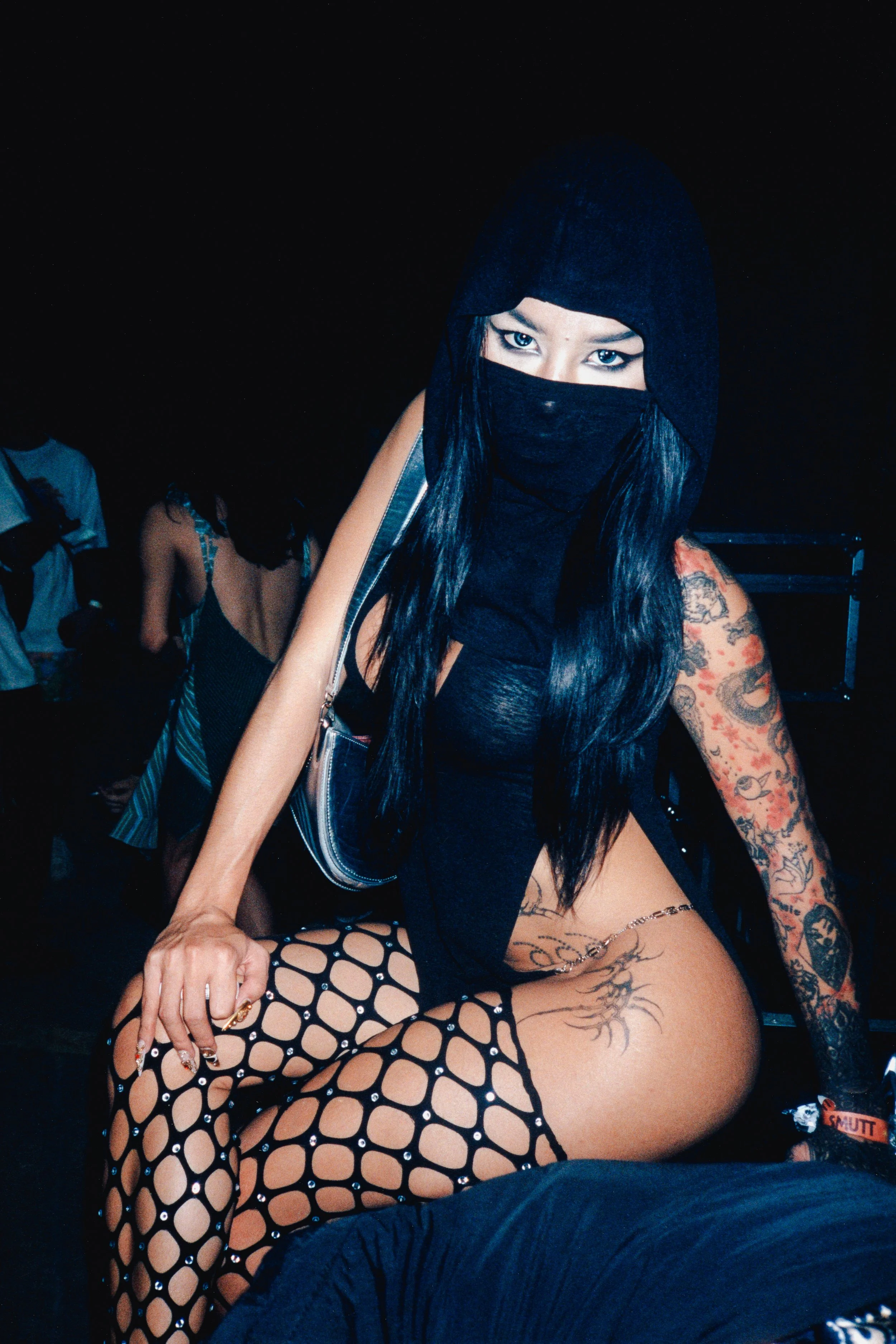
Photography by Ezekiel
Last month, I committed myself to rewatching This Is England, which I inevitably couldn’t stop thinking about as I edited this interview. Originally released in 2006 as a film, then followed by a 3 season TV series on Channel 4 in 2010, director Shane Meadows manages to create tenderness as an act of defiance in a period when the world was actively becoming increasingly brutal to survive under.
Rewatching it left me wondering why a series set in the 1980s still feels relevant. Maybe it’s the patterns of scapegoating, the standardisation of violence, or communities suffering whilst people yearn for belonging which feel familiar. Yet, with the ‘86 series being set around the World Cup, it reminded me that in times of political anxiety, all we want is something real enough to trust.
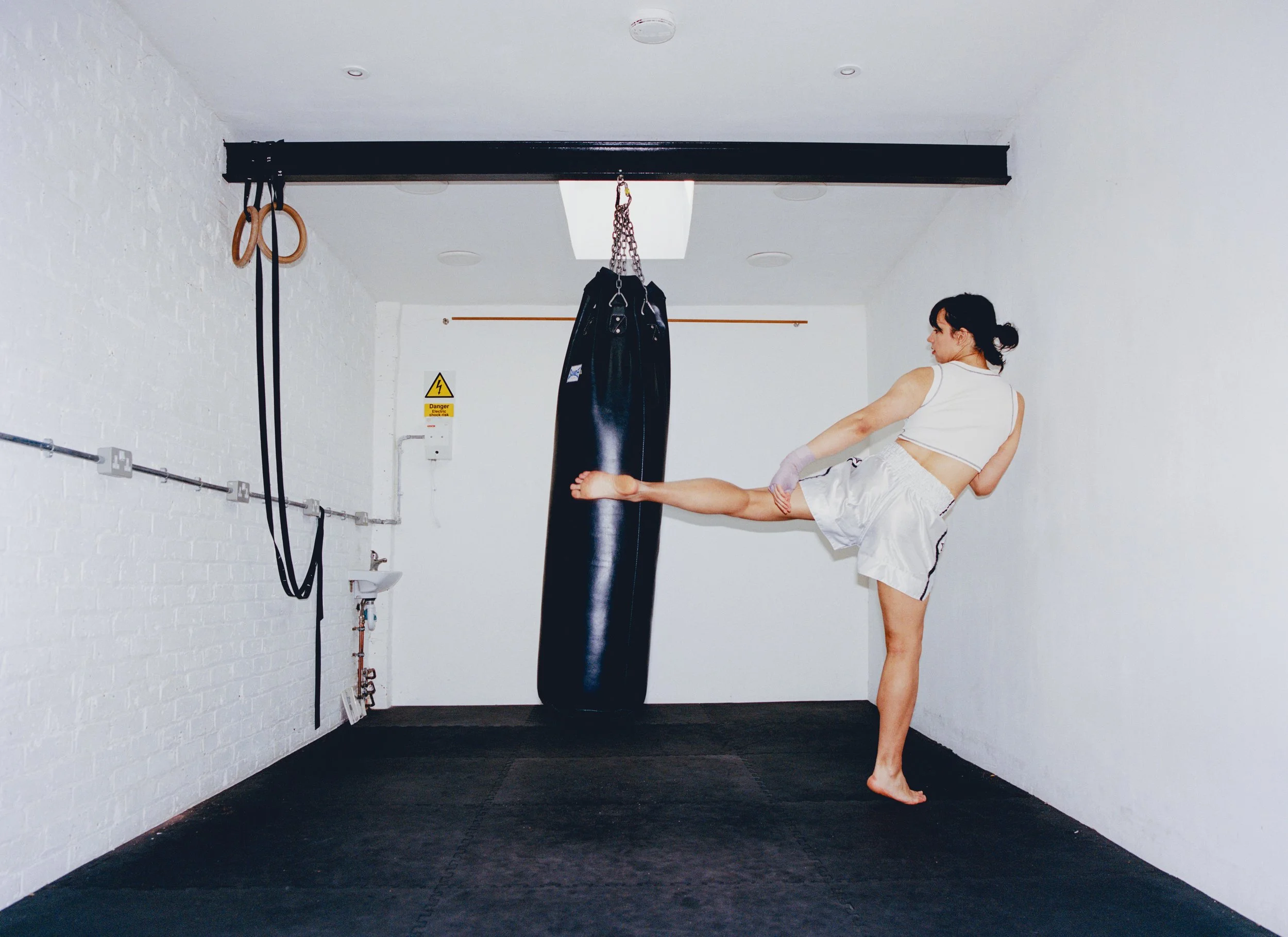
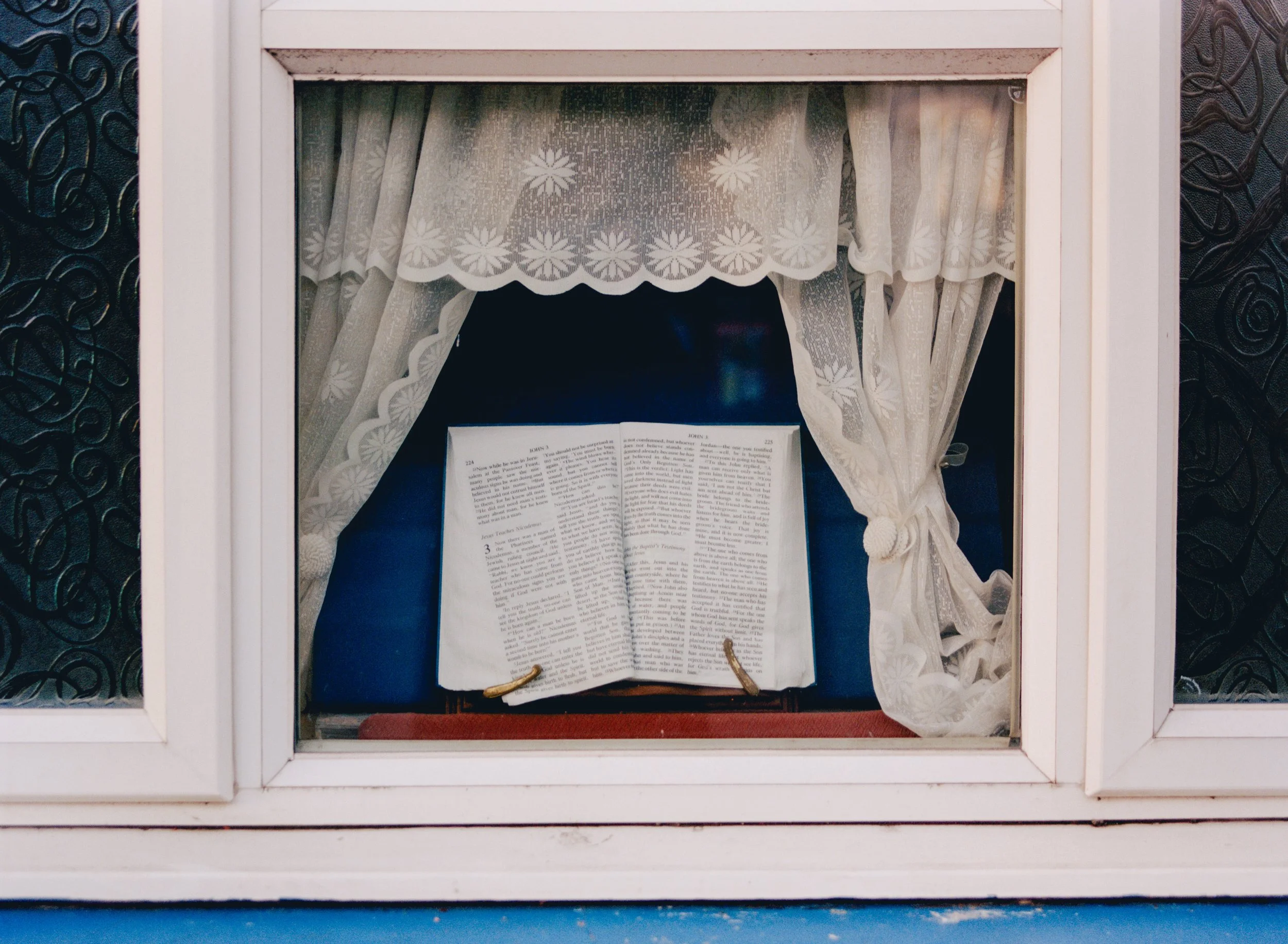
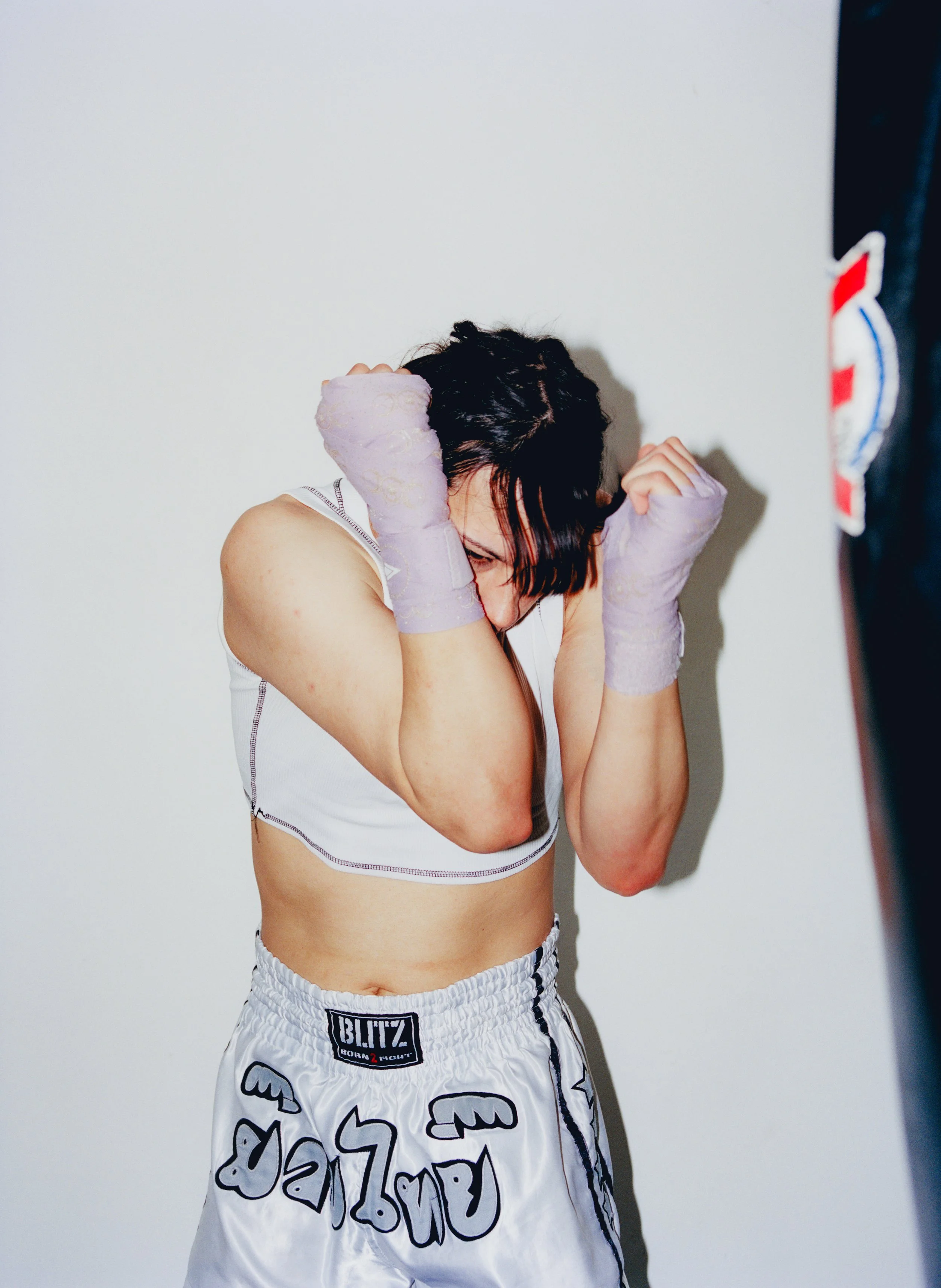
I’ve been a fan of Ezekiel’s photography for years, which confronts a world more empathetic than it’s currently afraid to be, much like how a dream can help you face what you fear, and somehow become a revelation (if you’re brave enough). Ezekiel shoots from the inside of intimacy looking out, similar to the way This Is England refuses to observe from a safe distance, both invite you directly into the core.
Ahead of their upcoming release of a new project, we speak about everything from the tried and tested disappointing reality of the publishing industry, to her vision for the future (“chic, half naked”). A world which she builds through her images: persistent in possibility, a political act in itself.
You can see Ezekiel’s work as part of the exhibition ‘a dog, somewhere’ open 31st July until 6th August at The Romantic of Margate. Details here.
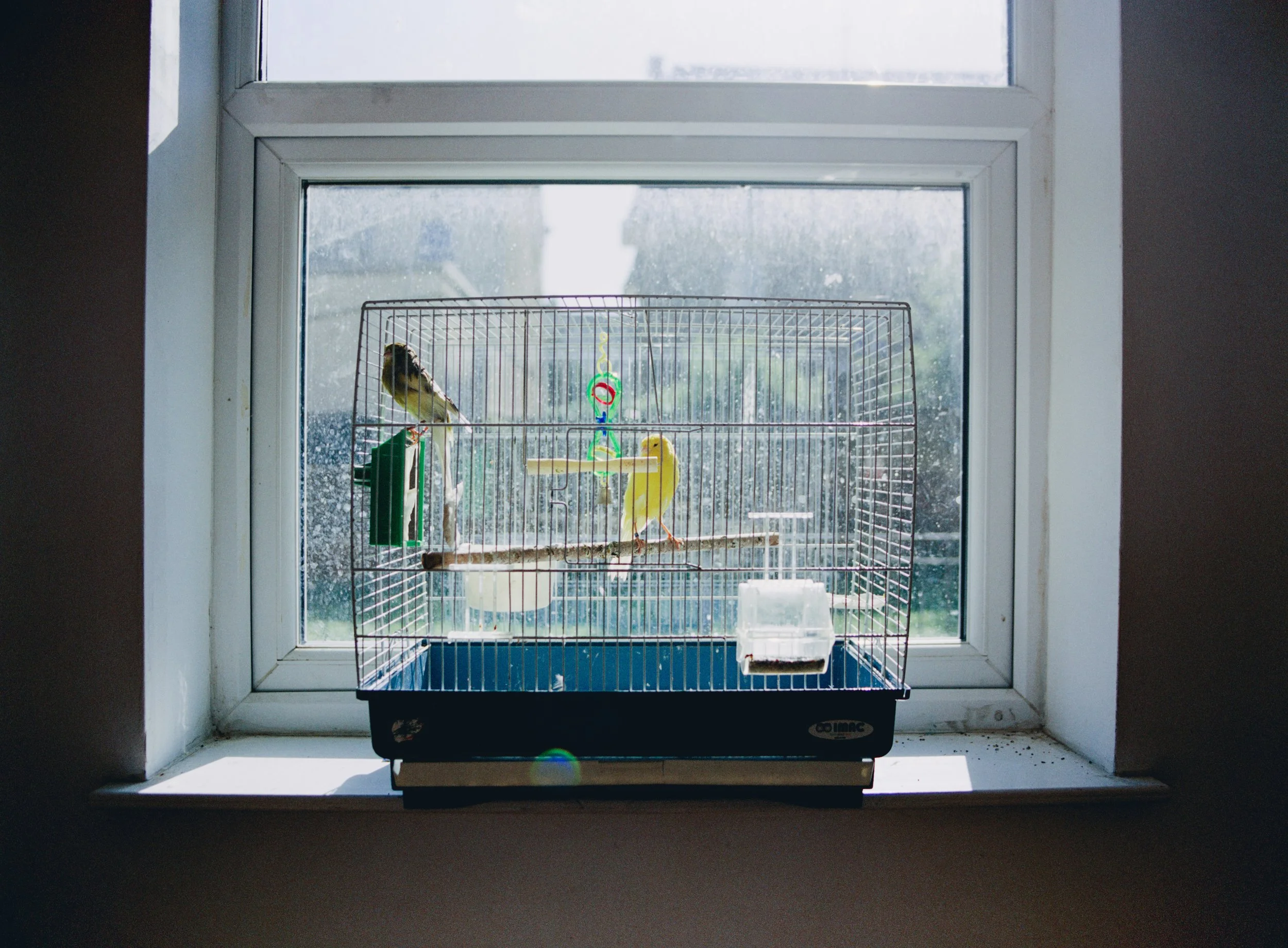
alisha: Do you dream?
eze: I do. I spend 98% of my time dreaming. Firstly, I'm a Pisces, so I'm in my own dreamy world, constantly thinking about anything but reality, because reality is horrible enough right now.
a: What do you dream about?
e: I usually daydream about a better world, about better access to trans health care. This is quite selfish of me, but specifically how I can gain access to gender affirming care. So, my daydreams are either about gender affirming care or me on holiday on a beach. I just want to get away from this country for a bit. A lot of my daydreams are about my future and my career too, I guess it's a way of manifesting. Then, on the flip side, my sleep dreams are whack because of the hormones that I started three months ago. I mean, it's a big, big, big deal, that I'm fucking around with my genetic makeup. That is going to affect every part of me; physically, emotionally, spiritually, including my dreams, which have been a bit crazy. Especially at the start of the treatment, they were always about women, women on the verge of a nervous breakdown, women in trouble.
a: How do these dreams make you feel?
e: They're not exactly nightmares, and I do usually wake up, and I feel like I've slept, but I don't feel the most refreshed. Sometimes I wake up a bit on edge, as if I've just watched an action film, but I feel like that's just my nervous system. Now when I look back at them, they're the dreams that have a lot of symbolism, and I see it's my subconscious trying to process what's happening to my body and my mind. I do believe in the meaning of dreams. I remember my Mum used to have a dream dictionary, which I would flick through when I was little. I was so intrigued by what dreams meant.
a: How did you think your dreams have changed since you were a child?
e: As a kid my dreams were, I guess, more fantastical, and fun. I've always had really weird dreams, I used to have this weird recurring nightmare. It's actually fucking insane. I started getting them, I think, right after we moved to the UK, when I was about six or seven, and it would start off in my old family home in the Philippines. I was on my own on the street outside the front gate, and I would be walking along the concrete road, because sidewalks aren’t common in the Philippines. It's nighttime and it's empty, so I start walking to a shop, and I'd walk along this road and there'd always be a mound of sand that I'd have to get over in the middle of the road. This is so dark, but once I got to the top of the sand bank, something would pull me down. It was fucking crazy.
a: What would happen?
e: I would always wake up. I still remember how hot it was, how sticky my skin would feel, what I was wearing. It was just so weird.
a: Do you ever dream about something that you want to photograph? Like, using lucid dreaming to answer a creative question you're stuck on.
e: I mean, I always find that the last thing I look at or read, I dream about in some way. But in terms of my work, I've recently really been thinking about what my work is, like what am I doing? Who is it for? I think I've come to the realisation that even though it is documentary, and it's a moment in time or history, I also feel it's kind of like a manifestation of this future that I envision for myself and for other people. So I guess it's a dream, my hopes and dreams. The world is horrible, it's really hard right now, especially for queer and trans people. So, I feel like my work is sort of used as a vehicle to create this semi-real future that I envision. I don't know, does that make sense?
a: It does completely. How would you describe what you want the future to look like?
e: Everyone is fab, chic, half naked, and always in the sun. Just freedom and liberation, and no hatred. Also, unfiltered versions of ourselves, it's just like you are truly being yourself.
a: Love it. I'm intrigued to see what is next for your work, and how this develops.
e: Me too! I just turned 29 and my Saturn return started on fucking trans day of visibility, I was like, this is a joke, right? I’m going through another really intensely transformative period of my life, and it’s such a deep introspection that you go through. Three years ago I was going through a really bad stint of gender dysphoria, which is kind of what ignited this whole gender journey, but I'm going through it again now because of the hormones and my Saturn return. So, I’m like who am I? What am I doing? What is my work doing? Who is it for? Where is it going? It's just this constant questioning of self, which I feel comes with being trans. It’s a constant introspection you go through.
a: For sure, being a woman feels like everything we do seems to come with some kind of consequence and cause that introspection, whether you want it or not.
e: Exactly, it’s so intense, but I guess it's also necessary for growth and it’s quite amazing having that self awareness. I think it's so important as you grow older to really consider who you are and what actually makes you happy. At the end of the day, I don't want to live a life that I’m unhappy about.
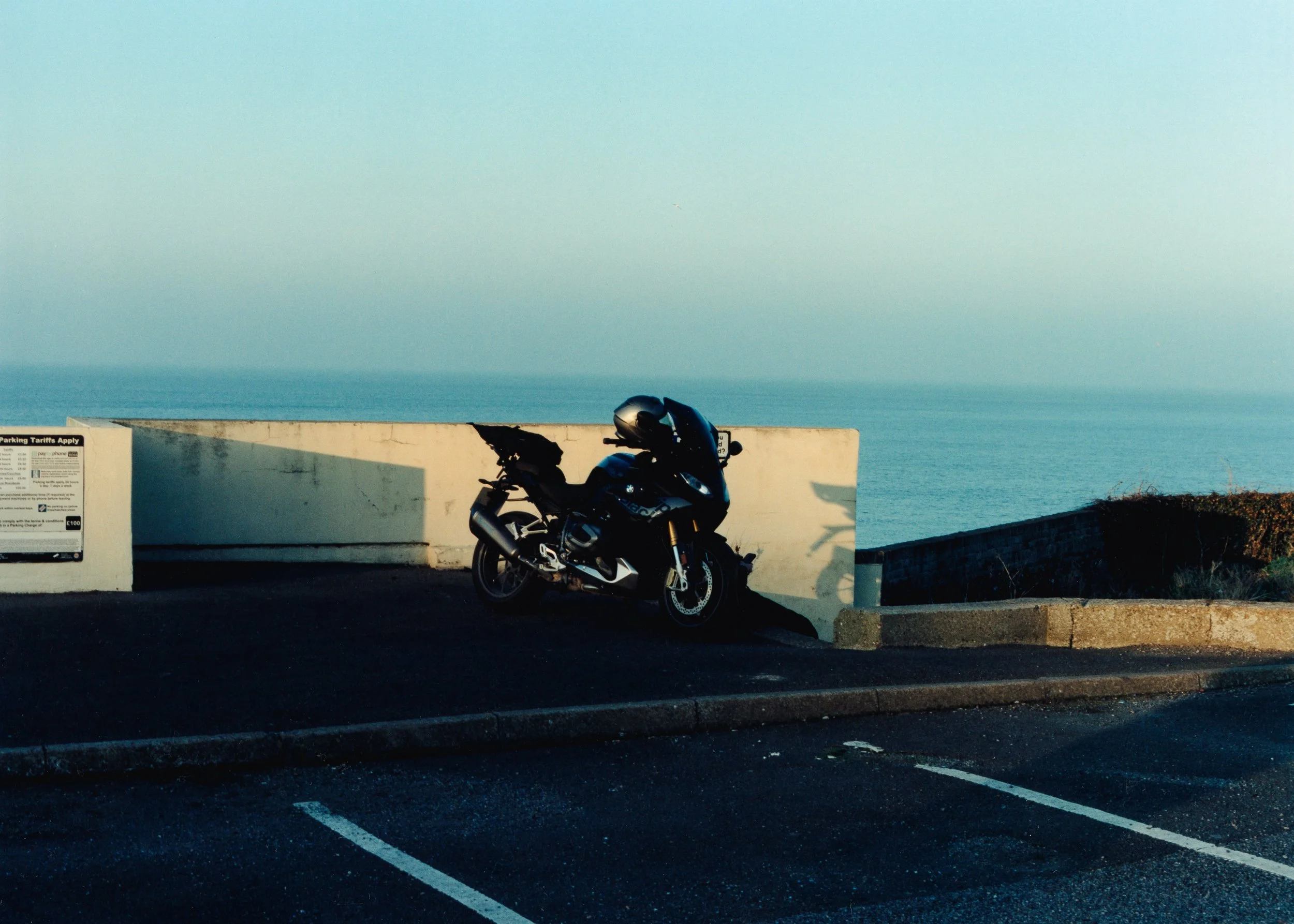
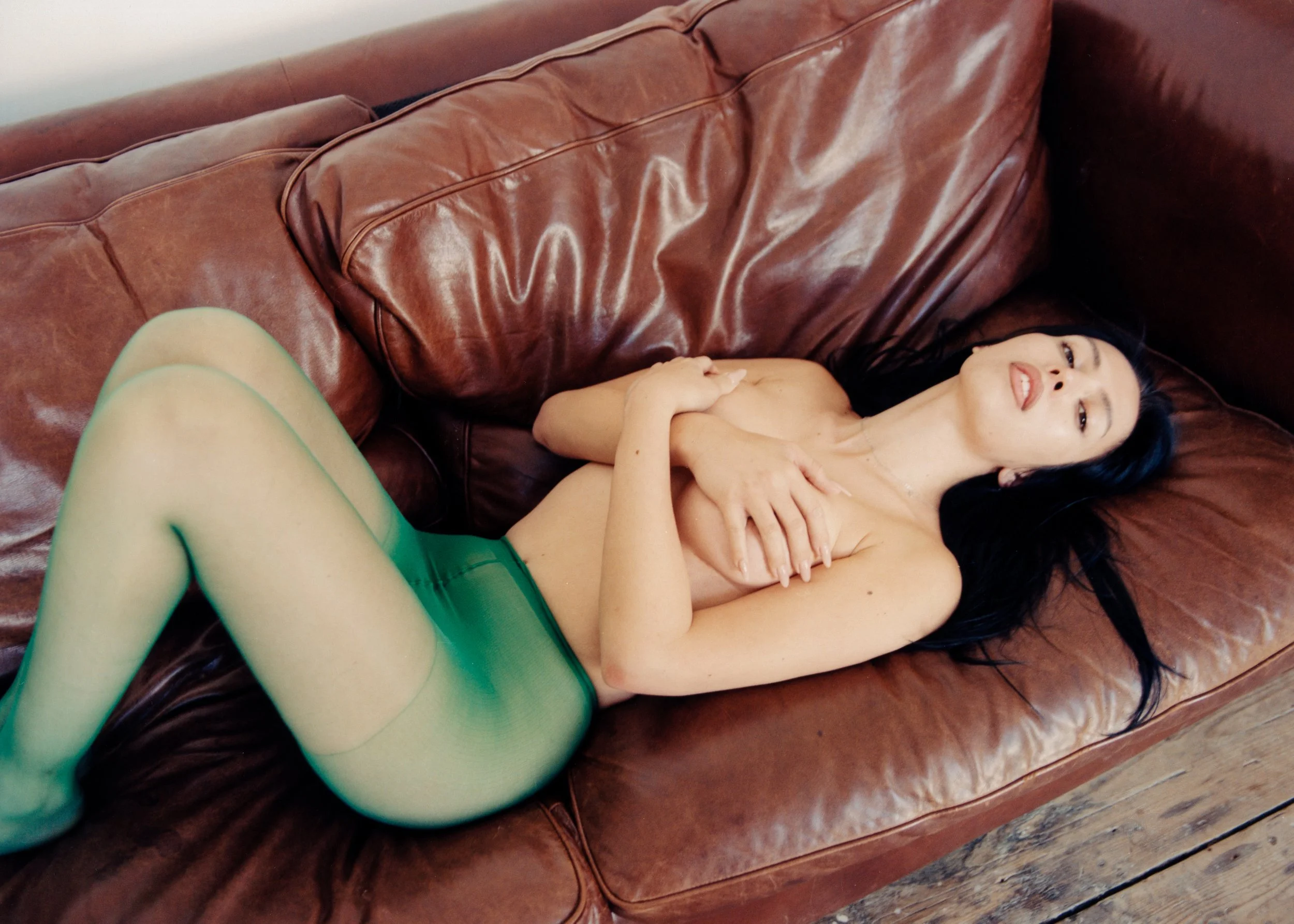
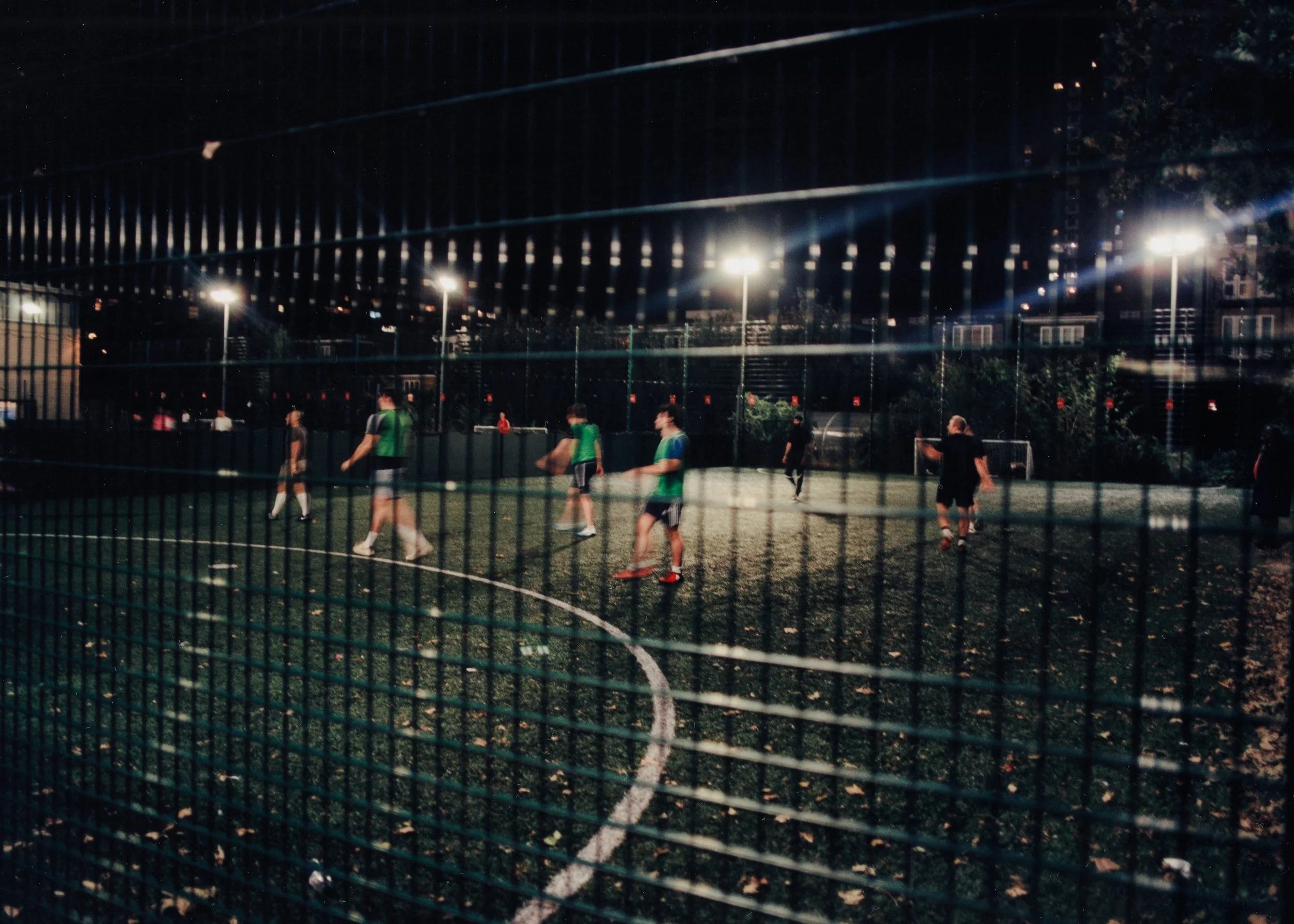
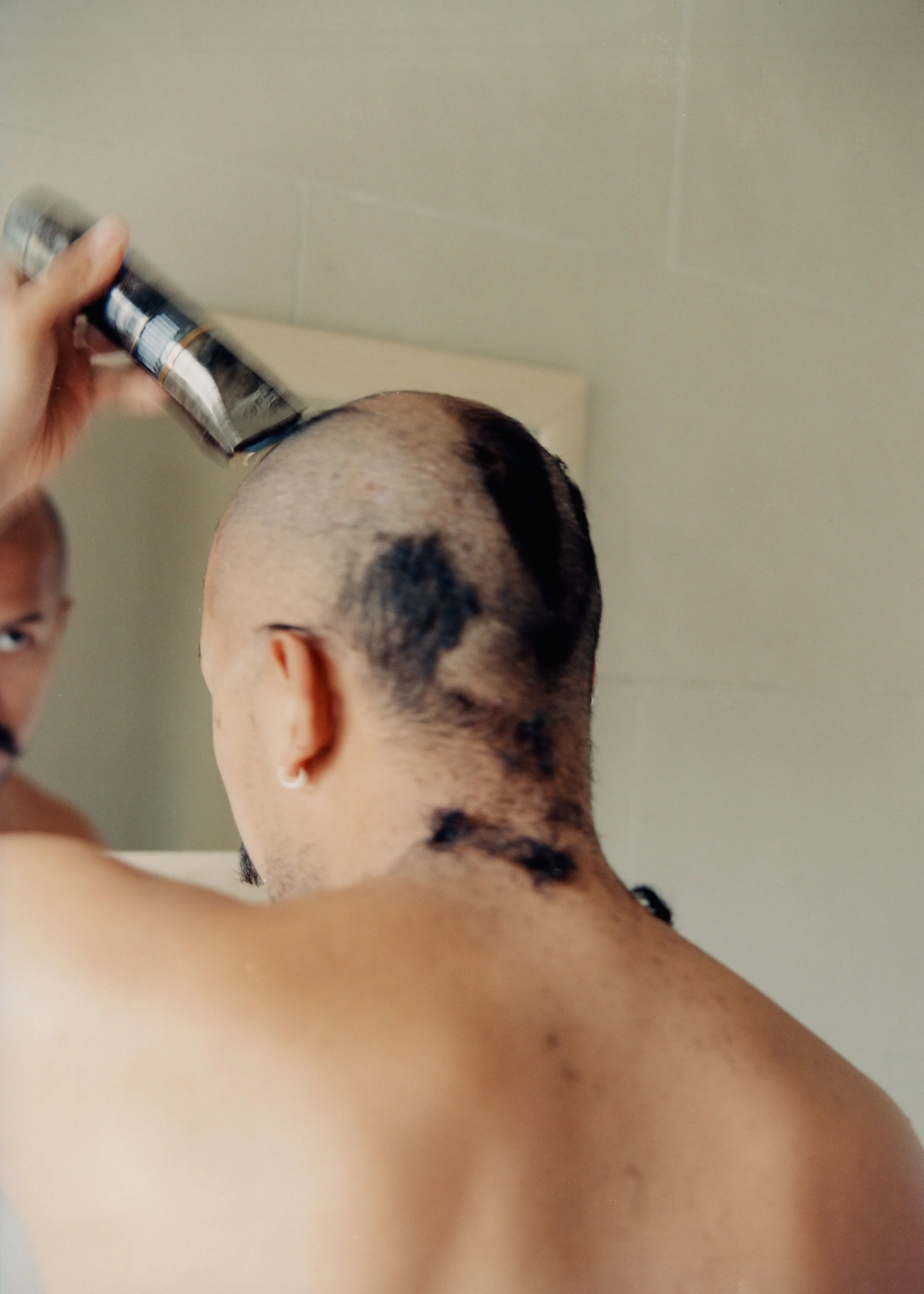
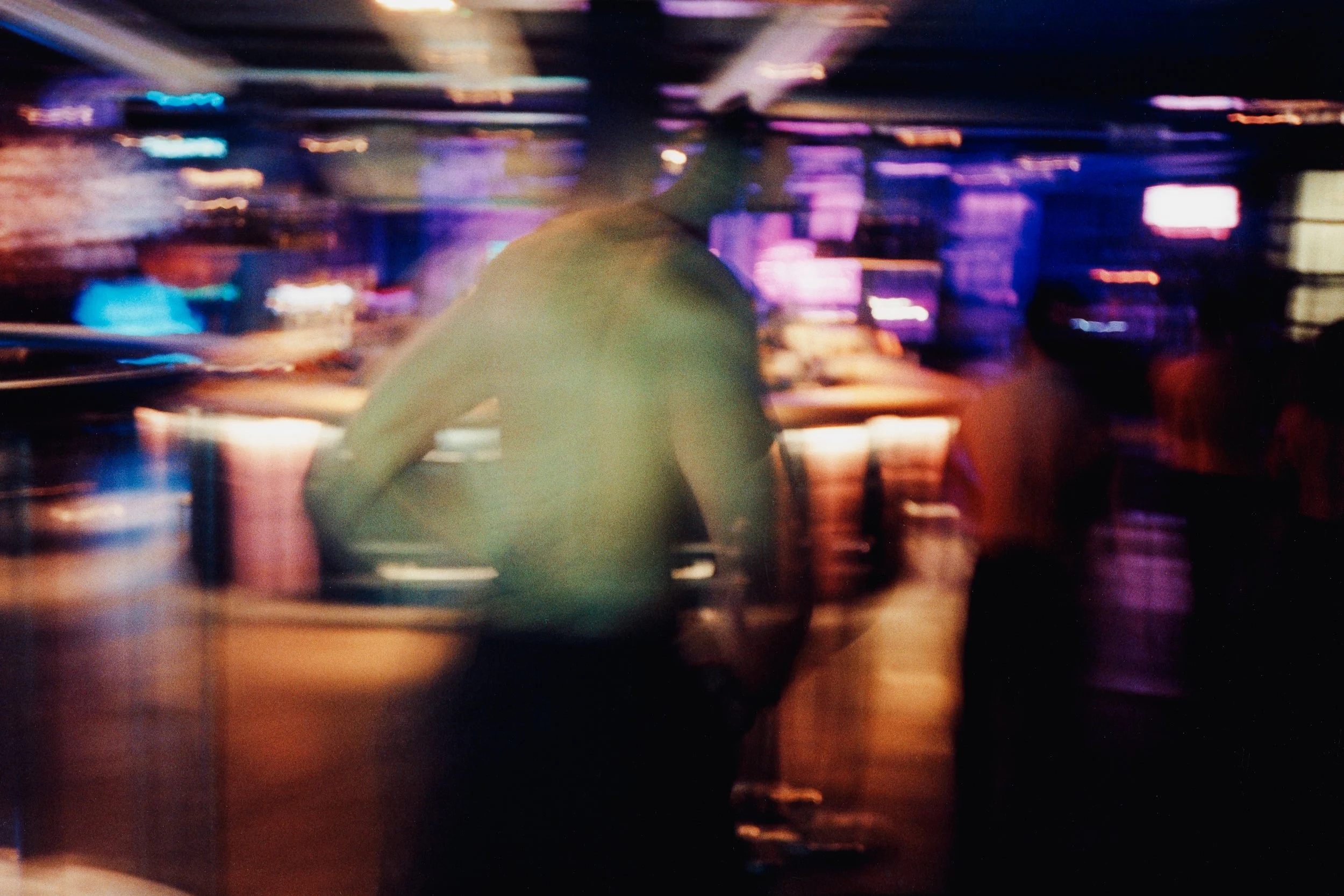
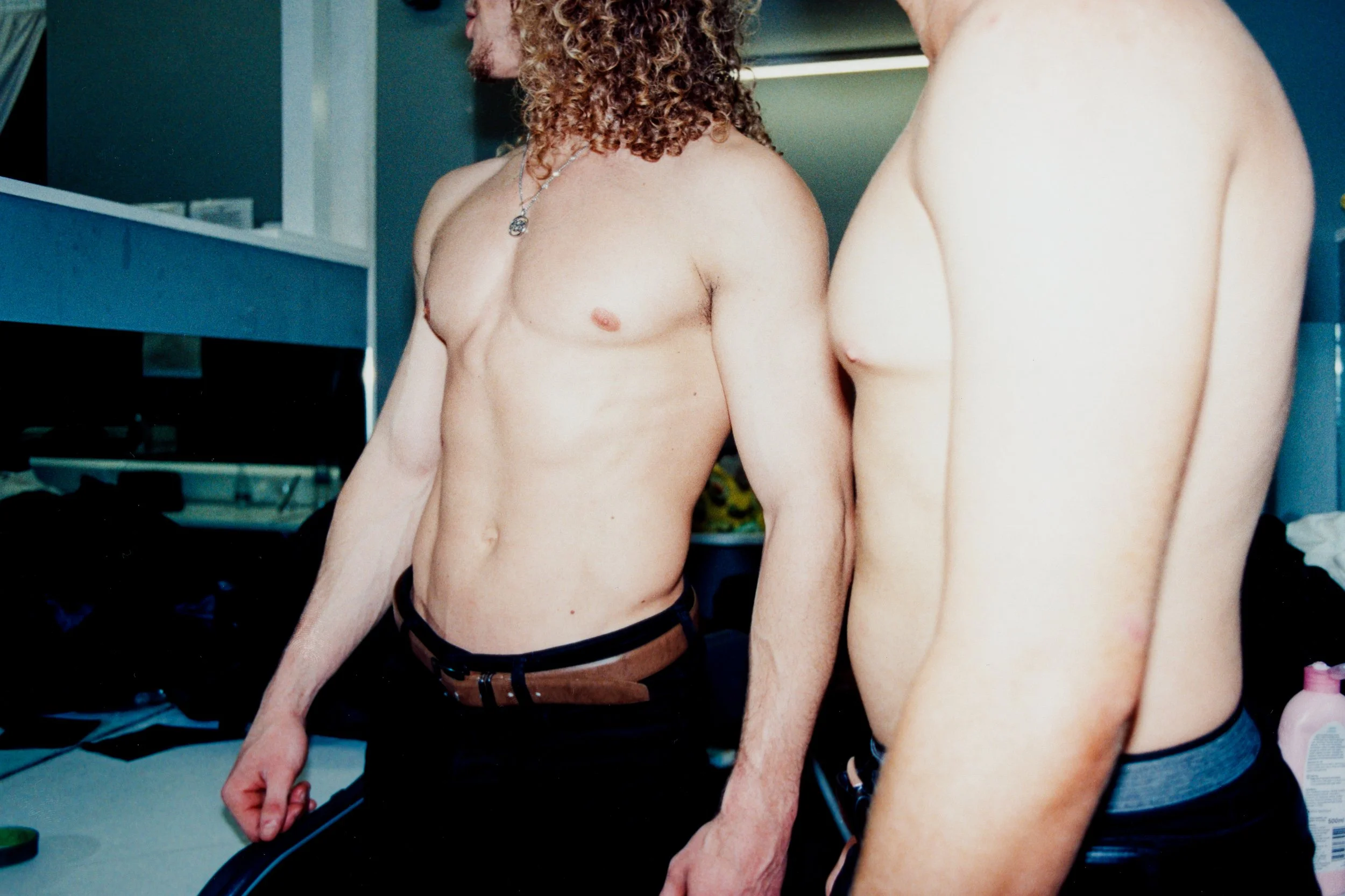
a: Absolutely, I also feel like there's a lot of conversations at the minute around people publishing art on the internet, and the balance between artists and fans. How do you feel about the democratisation of art through the internet?
e: Oh my god, I have many thoughts. So last night I watched The Devil Wears Prada 2, have you seen it?
a: Not yet, its it good?
e: No, it's horrible! It’s so bad. I think I just had really high expectations because of the first one, it is very indicative of the industry now, but I feel like it's too real. I won’t spoil too much, but it's like magazines are shutting down, no one has any budgets, and no one cares about writing anymore. Everyone just cares about clicks and views. So the film is so phone heavy, and I'm like, I kind of don't like this. I kind of want a fantastical film like The Devil Wears Prada, to take you out of reality, because it’s a hyper stylised version of reality. I feel like it was just too close to home, especially because of what's happening right now, but it was literally like artistry versus tech bros, who only care about clicks and making money.
But then the film in itself is just a fucking money grab, every scene has an ad or a product placement. The film is about appeasing advertisers and wealthy people who own the magazines. It made me feel really quite sad about the industry, and how we kind of lost substance and artistry. I think art should be accessible to everyone. Especially for me as a kid, I used art as a way to deal with a really horrible, toxic reality around me. I don't think we should stop people from sharing, but I do think that in the age of social media, where everyone is sort of trying to be an artist and trying to make a living from being an artist, then no one's getting paid enough, and no one's actually making a living, there's such an over saturation of artists. Most artists I know have a second job, or a part-time job, including myself. It makes me really sad that this is gonna be the reality of the industry, and it's only getting worse because all the big jobs and clients only really care about keeping their heads above the water. They don't want to invest in younger artists who are making exciting work, like every cover this season was shot by fucking Juergen Teller.
a: Literally, it’s always him or Annie Leibovitz.
e: It’s so reflective of the industry. They don't want to take risks and hire young talent because it might not make them money as easily, and it might not work, which is really sad. Actually, I guess it's that stage of capitalism, where it’s infiltrated the art world and the creative world, and now everyone can only think or care about making money. People rarely want to invest in something that is amazing and might not make money, but will add value to culture.
a: I think that is the reality of working with brands now, because I totally agree with you. Pre 2010 or even like pre 2020, I feel like even in 2015 they used to put more artistry into shoots and editorials, so brands used to be what you look to for inspiration, and they were the ones pushing things forward, but that is just not the case anymore. Everything is flatlined completely.
e: Well, everything looks the same, and everything is shot by this same roster of five photographers. I remember being at uni and we'd always reference iconic campaigns, iconic videos, and I'm like, I can't even think of one now.
a: Are there any magazines which you think are interesting right now?
e: Well, literally what The Devil Wears Prada 2 was about, is Andy being rehired to save the editorial team at Runway, and the first 15 minutes is about how they're about to lose Dior as an advertiser because they got into some controversy online. That's literally what magazines are now, it's like you're just appeasing brands and advertisers who are keeping it alive and keeping your pay checks. You don't actually have the creative freedom to shoot or do what you want, because it has to be through a brand that has their own guidelines and shit.
a: What do you think is the future of SMUT, your publishing project?
e: The dream for SMUT has always been to publish things outside of my work, there are so many incredible young photographers and artists that I know and have worked with who I feel like just don't get the recognition that they deserve. The long-term goal has always been to have some sort of gallery or community space, or a bookstore, that can be used to bring people together, and support artists who come from underrepresented backgrounds. Artists of colour, trans artists, artists from working-class backgrounds. That’s always been the dream, but print wise, it’s really hard to get funding for the sort of work I want to do. But I would love to start working with other trans and queer photographers, like on a global scale, and bring their work to the UK and the West. Especially collaborating with more East Asian artists, and really having their perspectives and point of view brought into this Western art world that we are part of.
SMUT’s inception came from the frustrations I felt within the industry. Why is every publishing company and bookstore and gallery owned by an old cis white man? It’s so uninspiring. We need these other perspectives, otherwise,it's just sameness. Even in trans-focused western art right now it's really, really focused on the white experience, even in fashion. I guess in popular culture, it's still just like let's champion white trans people who fit within this box that we are able to easily digest.
a: I really hope you get to fulfil what you want to with SMUT, I’ve been following it for years. I remember when I lived in my old flat, and we had one of your posters on the wall, and I was fangirling over the fact that Sancha and Grace knew you.
e: [laughs] I know, and that means a lot. It’s little things like that mean the most. So many times I’ve thought, I just need to give up. Even last month I was going through a really hard time with the hormones, and rethinking my career as an artist, thinking is this even meant to be for me? You know, you work 20 times harder than your white peers, and you still get a fraction of the recognition. It’s exhausting. I’m working so hard, screaming at the top of my lungs, but then it’s the little things like what you just said, or sometimes I'll get an email or a DM from someone being like your work is really important. I bought a copy of the book and it's amazing. I’m so moved by it, and reminded that this is why I do this.
I think you have to remember that, the industry is so full of the same old white people, it’s not actually my job to be accepted by them, because they're never gonna get you. I think the goal is shifting more to be like, I need to support my community and do things that actually fulfil me.
Especially in my early 20s, I spent a really long time assimilating to white middle class culture and being part of this quote unquote fashion and art world, so desperate to be part of it. Then once I kind of got it, I was like, this is actually soul destroying. I actually hate myself, and I hate what I've done. It had to happen for me to get to where I am. It was definitely a big wake-up call. It was also around the time of my gender journey when I was really reconsidering who I was and who I was becoming. I was so unhappy, I think trying so hard to be accepted by this world has actually made things even worse, so I just had to take a step away. I've always loved fashion and art from such a young age, and I’ve always been drawn to clothing as a vehicle of self-expression. But I also think it can be a sort of nuanced and weird place to be when you're not actually part of that world, so now I can appreciate it for what it is, but I also think it's really important to question that world.
a: I think as well when people are kind of telling you constantly that you shouldn't be in this world, you shouldn't be making this work, you're not the right person. There's not enough people in the industry giving that visibility, so therefore you feel like you shouldn't be making that work. I mean, historically, it is an industry based on classism and racism.
e: I know, it’s so crazy that it's 2026 and I feel like things haven't changed much. We had this really peak woke era post Covid, and not to keep going back to The Devil Wears Prada, but even though it’s bad I think it’s really indicative of the world right now. The film was trying too hard to be woke, that it just got corny. Miranda kept being told off for saying things that we can’t say anymore, and I was like, just let her fucking say it. I was looking through Twitter the other day, and someone retweeted a post by McDonald's, when they did a campaign spotlighting black trans people. It was kind of insane and laughable, because it was so performative. They just want to appeal to the zeitgeist, in reality they couldn’t care less about black trans people.
a: That's hilarious. It makes me cringe so much.
e: It’s just ticking boxes, and how can we make money the quickest.
a: Do you feel like you have hope for the future?
e: Hope is one of the few things that I hold on to. I have hope. You have to have hope. There literally is no other choice, you have to laugh or you’ll cry.
a: What was the last dream that you had?
e: I usually remember my dreams, I was trying to remember my dream from last night.
a: It's okay if you can't remember.
e: I honestly can’t. [laughs]
[pause]
e: Oh wait, I remember! I don't want to give too much away. But basically, I had a sex dream about a friend, and it was really hot. Hopefully they don't read this, but let’s just say I'd hit it again. Nothing more, nothing less.
Follow Ezekiel here
Follow dreams here